
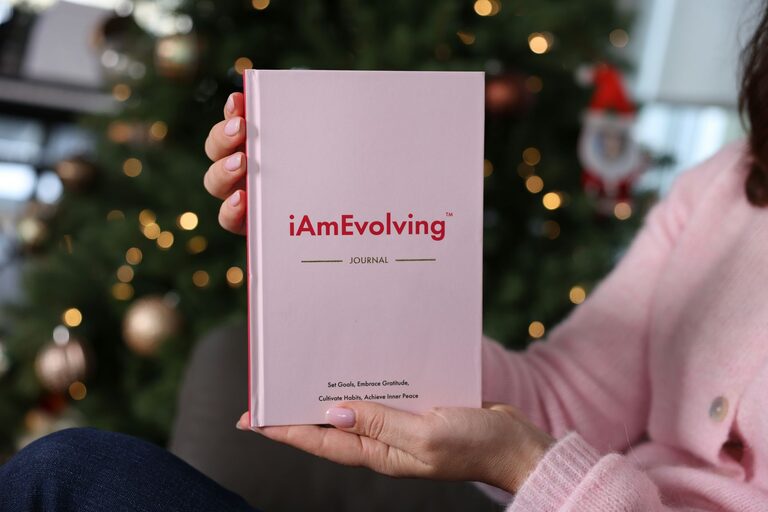
Starting a gratitude journal is an easy and effective way to cultivate positivity and improve your overall well-being. By taking just a few minutes each day to reflect on what you’re thankful for, you can shift your focus away from stress and negativity toward appreciation and joy. If you’ve been curious about how to begin a gratitude journal but aren’t sure where to start, this guide will walk you through everything you need to know.
What Is a Gratitude Journal?
A gratitude journal is a personal notebook where you regularly record things you feel grateful for. These can be big or small — from relationships and achievements to simple moments like a warm cup of coffee or a sunny day. The goal is to create a habit of noticing and acknowledging positive experiences.
Benefits of Keeping a Gratitude Journal
Before diving into how to start, it helps to understand why gratitude journaling is so beneficial:
– Improves mental health: Regularly focusing on gratitude can reduce feelings of stress, anxiety, and depression.
– Enhances sleep quality: Writing about what you’re grateful for before bed can lead to more restful sleep.
– Builds resilience: Recognizing positives helps you cope better with life’s challenges.
– Strengthens relationships: Expressing gratitude can improve your connections with others.
– Boosts happiness: Gratitude journaling encourages a more positive outlook on life.
How to Start a Gratitude Journal: Step-by-Step
1. Choose Your Journal
Select a notebook or journal that feels inviting to you. It can be a simple spiral notebook, a fancy journal with a cover you love, or even a digital app if you prefer typing over writing by hand. The key is to choose something you look forward to using.
2. Pick a Time to Write
Decide on a consistent time each day to write your gratitude entries. Morning or evening tends to work best for many people because it sets a positive tone for the day or helps reflect before bedtime. Start with just 5 minutes to keep it manageable.
3. Start Small with a Few Things
When you begin, aim to write down 3 to 5 things you’re grateful for daily. These can be anything — a kind gesture from a friend, a moment of peace, a favorite meal, or simply good health. Don’t worry about making the list perfect or profound. Authenticity is what counts.
4. Be Specific
Try to be as specific as possible about what you’re grateful for. For example, instead of writing “I’m grateful for my family,” try “I’m grateful for the laughter I shared with my sister today.” This helps deepen your sense of appreciation.
5. Explore Different Prompts
If you find yourself stuck, use prompts to inspire your gratitude entries. For example:
– What made you smile today?
– What’s a skill or talent you appreciate in yourself?
– Who is someone you’re thankful for, and why?
– What’s a simple pleasure you enjoyed recently?
6. Reflect on Challenges
Sometimes, reflecting on challenges and what they’ve taught you can also be a powerful part of your gratitude journal. This doesn’t mean ignoring difficult feelings but recognizing growth and lessons from tough experiences.
7. Keep It Positive but Realistic
Gratitude journaling is about focusing on the positive, but it’s okay to acknowledge difficult days. Simply try to find something small, even if it’s just the opportunity to rest or a supportive person you can turn to.
8. Make It Enjoyable
Add a personal touch to your journaling practice. Use colorful pens, stickers, or doodles if you like. Find a cozy spot to write and make it a moment of peace and self-care.
Tips for Maintaining Your Gratitude Journal
– Set reminders: Use your phone or calendar to remind you to write regularly.
– Be consistent but flexible: It’s more important to write regularly than to be perfect. If you miss a day, don’t worry—just start again the next day.
– Share your gratitude: Occasionally, share what you’re grateful for with friends or family. It can deepen connections and spread positivity.
– Review your entries: Every few weeks, look back on your journal. It can boost your mood to revisit the positives you’ve recorded.
Common Questions About Gratitude Journaling
How long should I write in my gratitude journal?
Even writing for 5 minutes a day can make a difference. Aim for 3–5 gratitude points daily, but adjust to what feels manageable.
Can I write my gratitude journal electronically?
Absolutely! Whether you use a note-taking app, a document, or a dedicated gratitude journal app, the important part is your consistent reflection.
What if I don’t feel like I have anything to be grateful for?
That’s a common feeling sometimes. Try to start with very small things — like a breath of fresh air, your favorite song, or a memory of kindness. Gratitude is a muscle that gets stronger with practice.
Can kids keep a gratitude journal?
Yes! Gratitude journaling is great for all ages. For children, prompts like “What made you happy today?” or “Who do you love spending time with?” can help.
Final Thoughts
Starting a gratitude journal is a simple practice that can bring lasting positive changes to your life. By taking a few moments each day to write down what you appreciate, you invite more happiness and mindfulness into your daily routine. Remember, there is no right or wrong way to keep a gratitude journal—what matters most is that it feels meaningful to you. So grab a notebook, find a quiet spot, and start discovering the many joys waiting to be noticed each day.