
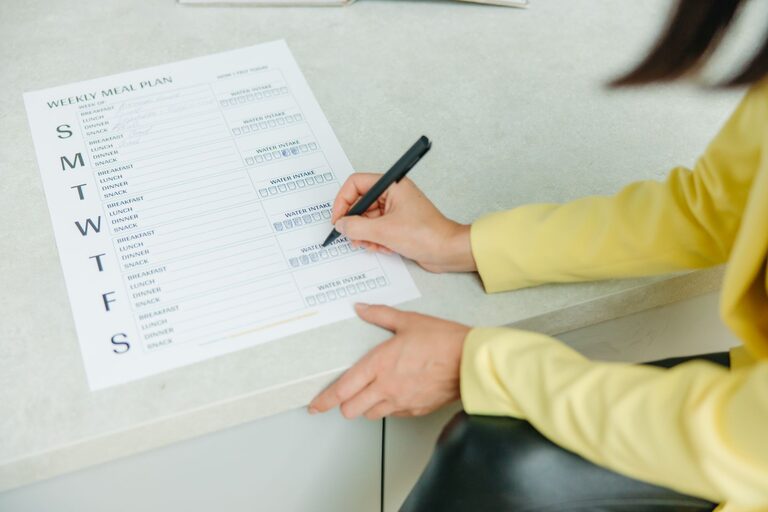
Planning your meals for the week can seem overwhelming at first, but with a simple strategy, it becomes an easy and rewarding habit. A weekly meal plan helps you save time, reduce food waste, stick to a budget, and eat more balanced meals. Whether you’re cooking for yourself, your family, or friends, a basic meal plan can simplify your daily routine. This guide will walk you through the steps to create your own simple weekly meal plan.
Why Create a Weekly Meal Plan?
Before diving into how to plan meals, it’s helpful to understand the benefits:
– Saves Time: Knowing what’s for dinner each night eliminates last-minute decisions.
– Reduces Stress: No need to scramble for ingredients or ideas.
– Supports Healthy Eating: Planning helps balance meals with proteins, veggies, and whole grains.
– Lowers Grocery Costs: Buying only what you need reduces impulse purchases and waste.
– Improves Variety: Planning ahead encourages trying new recipes and ingredients.
Step 1: Assess Your Week
Start by looking at your upcoming week’s schedule:
– Consider How Many Meals to Plan: Do you need to plan breakfast, lunch, and dinner? Or just dinner?
– Note Busy Days: Mark the days when you’ll have little time to cook.
– Plan for Leftovers and Eating Out: Decide which days you can use leftovers or if you’ll eat out.
This helps you tailor your meal plan to match your lifestyle.
Step 2: Choose Your Recipes
Pick simple recipes that fit your time and skill level. Here are some ideas to get started:
– Breakfast: Overnight oats, smoothies, scrambled eggs, or yogurt with fruit.
– Lunch: Sandwiches, salads, or grain bowls.
– Dinner: Stir-fries, pasta dishes, sheet pan meals, or slow cooker recipes.
When selecting recipes:
– Aim for variety in protein (chicken, beans, fish, tofu).
– Include plenty of vegetables.
– Use ingredients that overlap between meals to simplify shopping.
Step 3: Make a Meal Plan Template
Create a simple table or chart to organize your meals by day and mealtime. For example:
| Day | Breakfast | Lunch | Dinner |
|———–|—————–|—————–|—————–|
| Monday | Overnight oats | Chicken salad | Stir-fry |
| Tuesday | Smoothie | Leftover salad | Pasta |
| Wednesday | Eggs and toast | Sandwich | Sheet pan fish |
You can create your own on paper, use a printable template, or try a meal-planning app.
Step 4: Write Your Grocery List
Look at the recipes for the week and write down all necessary ingredients. Group items by category to make shopping easier:
– Produce
– Dairy
– Meat/Protein
– Grains
– Pantry staples (spices, oils, canned goods)
Check your pantry and fridge to avoid buying items you already have.
Step 5: Shop Smart and Prep Ahead
When you go grocery shopping:
– Stick to your list to avoid impulse buys.
– Buy in quantities that match your meal plan to reduce waste.
– Consider buying pre-cut vegetables or other convenience items if pressed for time.
After shopping, spend 30 minutes to an hour prepping basics:
– Wash and chop vegetables.
– Cook grains or proteins if needed.
– Portion snacks or lunches.
This prep work makes cooking during the week faster.
Step 6: Stay Flexible and Adjust
Remember, your meal plan is a helpful guide, not a rigid schedule. Life happens, so be ready to adjust:
– Swap meals between days.
– Use leftovers creatively.
– Skip meals if eating out or having social plans.
Over time, you’ll find what works best for you.
Tips for Successful Weekly Meal Planning
- **Start Small:** Plan only dinners or two meals a day until you feel confident.
- **Use Simple Recipes:** Focus on meals that take 30 minutes or less.
- **Batch Cook:** Prepare larger portions and freeze leftovers for busy weeks.
- **Keep a Recipe List:** Save your favorite meals to make planning faster.
- **Involve Family:** Ask for input or assign cooking days to share the workload.
Sample Simple Meal Plan for a Week
| Day | Breakfast | Lunch | Dinner |
|———–|——————-|——————–|———————-|
| Monday | Yogurt with fruit | Turkey sandwich | Baked chicken & veggies|
| Tuesday | Oatmeal with nuts | Salad with beans | Spaghetti with sauce |
| Wednesday | Smoothie | Leftover chicken | Stir-fried tofu & rice|
| Thursday | Eggs and toast | Veggie wrap | Sheet pan salmon |
| Friday | Pancakes | Soup and crackers | Homemade pizza |
| Saturday | Fruit and cereal | Picnic lunch | Grilled steak & salad|
| Sunday | Bagel with cream | Leftover soup | Roast with potatoes |
Conclusion
Creating a simple weekly meal plan is a practical way to take control of your eating habits and reduce mealtime stress. By assessing your schedule, choosing easy recipes, organizing a grocery list, and prepping ahead, you’ll make your week smoother and more enjoyable. Start small, stay flexible, and enjoy the benefits of organized cooking!
Happy meal planning!