
Reducing food waste at home is a practical way to save money, conserve resources, and lessen environmental impact. By making small changes in how we shop, store, and use food, households can make a big difference. Below, you’ll find helpful tips and ideas to cut down on food waste and enjoy fresher, more mindful meals.
Why Reducing Food Waste Matters
Food waste contributes to unnecessary greenhouse gas emissions and wastes water, energy, and labor involved in food production and transport. Globally, a significant percentage of food is wasted, much of it at the consumer level. By reducing waste at home, you help conserve resources and protect the planet — while stretching your grocery budget further.
Smart Shopping Strategies
Plan Your Meals
Start with planning your weekly meals before shopping. Make a list of everything you need, based on planned breakfasts, lunches, dinners, and snacks. This reduces impulse buys and helps ensure you only purchase what you will actually use.
Shop with a List
Stick to your list to avoid buying extra items that may go unused. Also, shop when you’re not hungry to prevent buying more than necessary.
Buy Only What You Can Use
Pay attention to quantities. If you don’t usually consume large amounts of fresh produce or dairy, consider buying smaller packages or quantities. Some stores offer loose fruits and vegetables, allowing you to select exact amounts.
Proper Food Storage Tips
Store Food Correctly
Knowing how to store different foods can greatly extend their shelf life:
– Keep leafy greens in the fridge inside damp cloths to maintain moisture.
– Store bread in a cool, dry place or freeze it if you won’t eat it quickly.
– Keep fruits like apples and bananas separate from other produce, as they release ethylene gas which speeds ripening.
Use Clear Containers
Transfer leftovers or opened packages into clear containers so you can easily see what’s inside, reducing the chance of forgetting and wasting food.
Label and Date
Label foods with the date you stored them to track freshness and use foods before they spoil.
Make Use of Leftovers
Reinvent Leftovers
Get creative with leftovers instead of throwing them out. Use cooked vegetables in soups or stir-fries, turn stale bread into croutons, or blend ripe fruits into smoothies.
Portion Control
Serve reasonable portions to avoid plate waste. It’s better to start with less and take seconds if still hungry.
Freeze Surplus Food
Many cooked dishes, fruits, and vegetables freeze well. Freeze extras in meal-sized portions to enjoy later.
Reduce Waste in the Kitchen
Use All Parts of Foods
Try to use peels, stems, and other parts of fruits and vegetables. For example, carrot tops can be turned into pesto, and vegetable scraps can be saved to make broth.
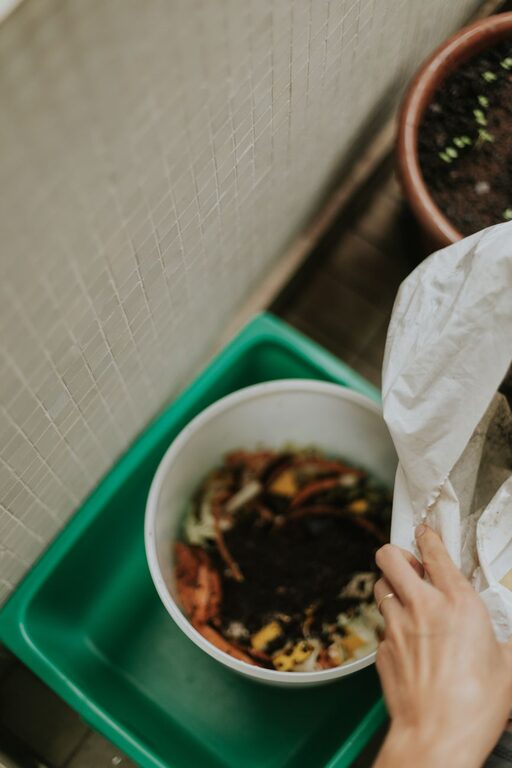
Compost Food Scraps
If possible, compost food scraps that can’t be eaten to reduce landfill waste and create nutrient-rich soil for gardening.
Educate and Involve Your Family
Share the importance of reducing food waste with family members. Encourage everyone to take part in planning meals, saving leftovers, and being mindful about food use. Making it a group effort increases success.
Conclusion
Reducing food waste at home is easier than you might think. With intentional shopping, smart storage, and a bit of creativity in using leftovers, you can reduce waste significantly. These habits benefit your wallet and the environment, making your kitchen a more sustainable space.
Start small today with one or two tips, and build new routines for a greener, waste-free home.